My father fell in the bathroom at 74, on a wet tile, in the two seconds between turning off the shower and reaching for the towel. He was lucky — bruising and a badly shaken confidence, no fracture. But the weeks afterwards were a lesson in how much of an older person's independence rests on one small room, and how little it costs to protect it.
I cared for my mother at home for six years and for my father for two, and I have now walked hundreds of Malaysian houses looking at exactly this. The bathroom is where it happens most, and almost none of the fixes are expensive.
Why the bathroom
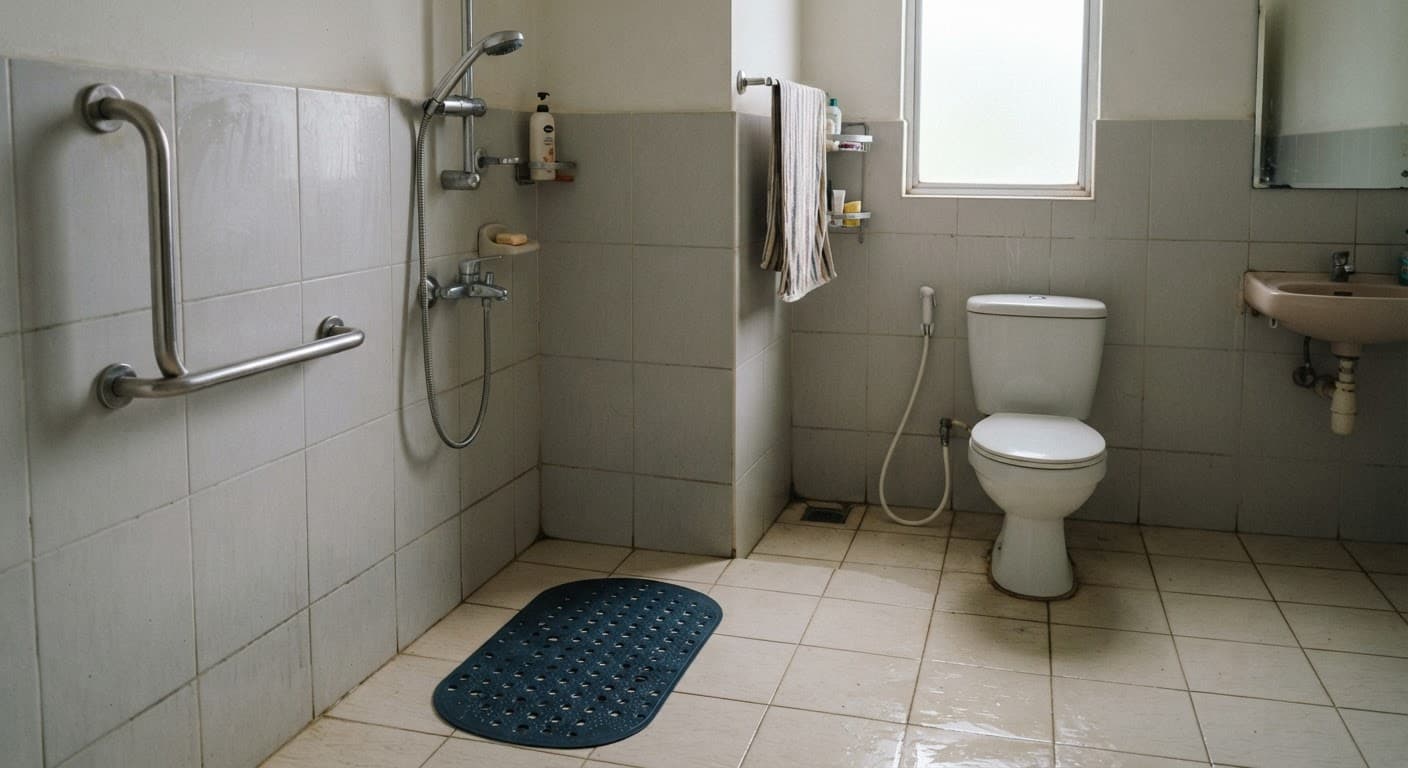
- Wet floor tiles, which are slippery in a way dry tiles are not
- A raised threshold lip into the shower, easy to catch a toe on
- No grab bar — people reach for the towel rail, which is not designed to hold weight
- Sitting down and standing up from a low toilet without support
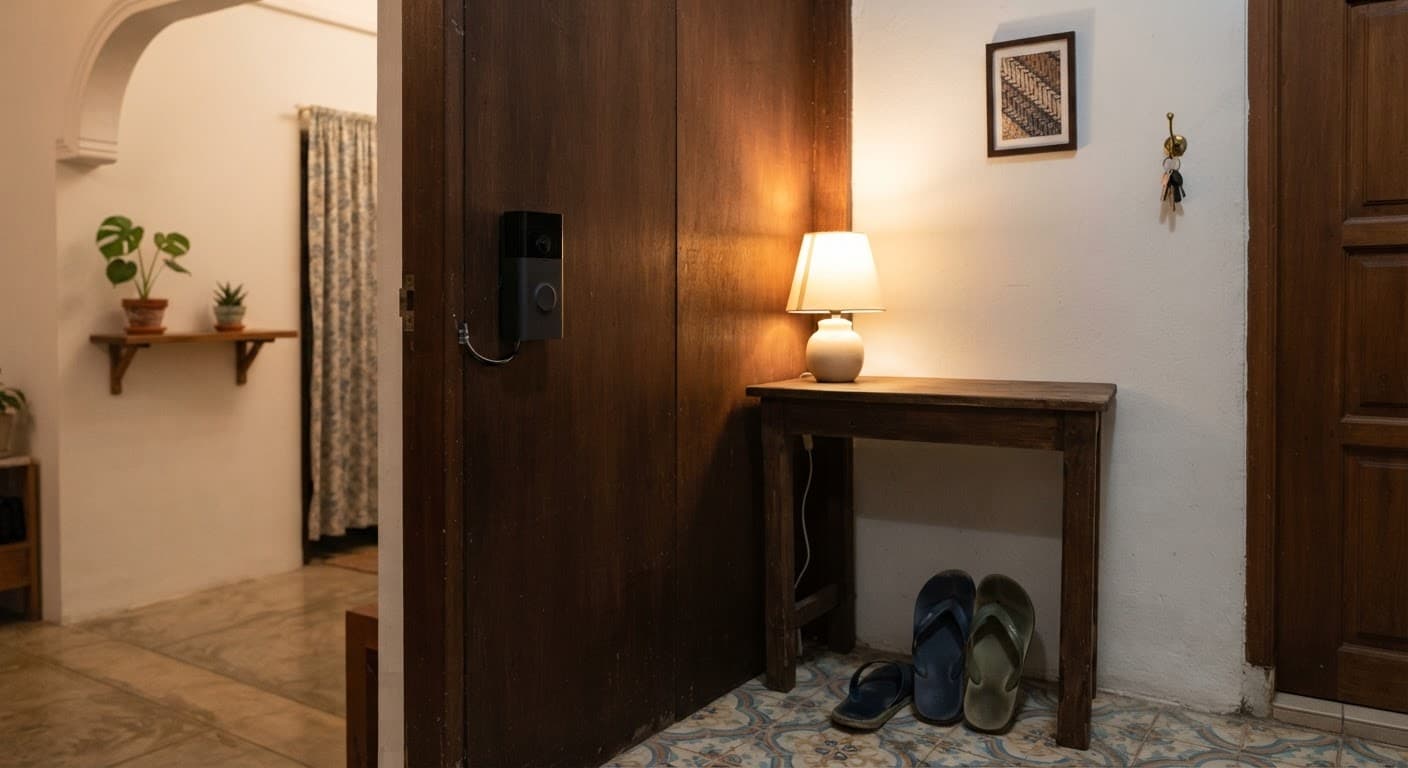
- Poor light at night, and a walk from bedroom to bathroom in the dark
- Bare feet, or sandals with a worn sole, on a wet surface
The small fixes that make the biggest difference
Start with the bathroom, then the path to it. This is the order I now suggest to every family, and none of it needs a renovation.
The grab bar is the one item worth installing properly. A suction handle that pulls off the wall in the exact moment you need it is worse than nothing, because it teaches a false confidence. A bar fixed into tile and masonry by someone who knows what they are doing costs very little and holds real weight.
More than the bathroom
Look at the rest of the house through the same eyes. Loose rugs that slide, a step between rooms, a dark staircase, a cable across the floor, the crowded corner where something always gets tripped over. In a Malaysian terrace or a walk-up flat, the staircase is its own risk, and a handrail on both sides is worth more than any gadget.
The things a body brings to a fall
Falls are not only about floors. Footwear, eyesight and some medicines all matter. If a parent wears glasses, an up-to-date prescription is a fall-prevention measure. If they are on several medicines, it is worth asking a doctor or pharmacist whether any of them cause dizziness or affect balance — that is a review worth having, not a reason to stop anything on your own. And it is worth keeping up the walking and standing exercises that keep the muscles around a hip and ankle strong, whatever a person's age.
The hardest part is often the conversation. Nobody wants to hear that their home is dangerous, and framing it as weakness will end the discussion. What worked in our family was doing it with my father, not to him: we walked the house together with a torch and let him spot the problems himself. He found the shower threshold on his own, and then it was his fix rather than mine.
My father did not lose his independence in a fall. He lost it in the weeks afterwards, because he stopped trusting his own bathroom. That was the thing worth protecting.
Read next
- Heat, hydration and older bodies in the tropics
The other everyday risk that builds quietly at home.
- Klinik Kesihatan or private specialist: which one, and when
Where to get a medication review that may affect balance.
- More in Health
Every prevention, condition and screening piece in one place.
Questions readers ask
- When is it worth bringing in outside help?
- If a parent has fallen more than once, is unsteady walking across a room, or has stopped bathing or moving about out of fear, it is worth looking at support options rather than only home fixes. Our Find Care section lists home care and assisted living in each state, with filters for budget, language and special needs.
- Should I fix sticky mats everywhere?
- Focus on the areas where it matters — the shower, the floor beside it, and any spot that gets wet. Too many loose mats introduce a trip hazard of their own, so fix the few that count and keep the floor clear of clutter.