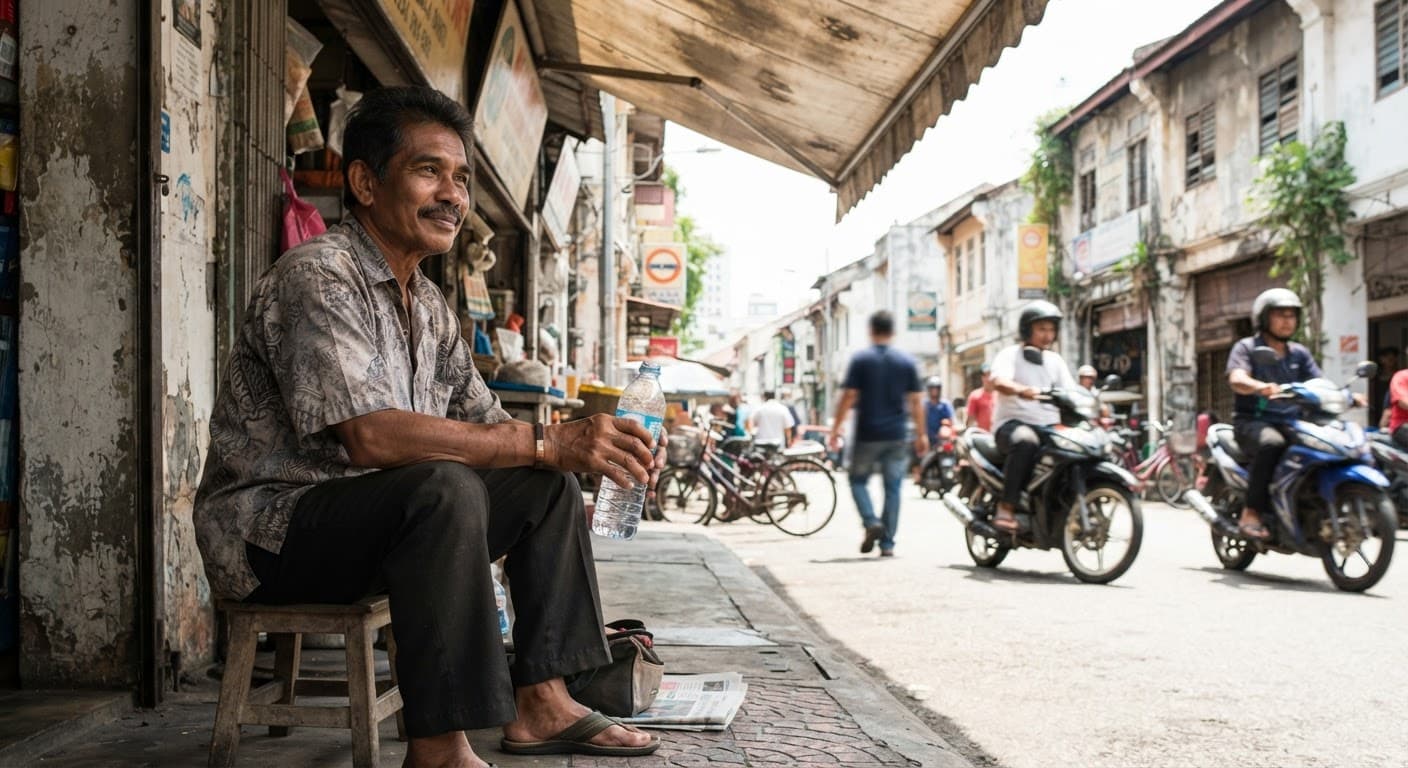
I spend most of my working day outdoors in Johor, and I have noticed the change in myself over the last decade. The same afternoon sun that barely touched me at 30 leaves me flat by the time I get home now. It is not imagination, and it is not just fitness. The way an older body handles heat genuinely changes, and once I understood why, I stopped treating it as weakness and started managing it like weather.
This is my own experience of working in a tropical climate, not medical advice. But a few of the things I learned are worth knowing before the next hot stretch arrives.
Why the heat hits harder after 40
Sweating is how the body cools itself, and it depends on several things that shift with age. The thirst signal weakens, so you drink less without noticing you are dry. Sweat glands respond more slowly. The heart pumps less reserve into the skin to dump heat. And some common medicines — for blood pressure, for allergies, for the heart — can affect sweating or fluid balance, which changes the picture further. The result is that you can be heading toward trouble before you feel anything clearly.
Malaysia makes this worse in a specific way. The humidity means sweat does not evaporate as efficiently, so the body's main cooling method works less well than it would in a dry heat. An afternoon at 33 degrees here is not the same as 33 degrees elsewhere.
The signs I have learned to take seriously
The dry-skin sign is the one people miss. Once you stop sweating in serious heat, the body has lost its cooling mechanism, and that is an emergency rather than a rest. Move to shade or indoors, cool the skin with water and a fan, and get medical help rather than waiting to feel better.
Hydration that actually works across a day
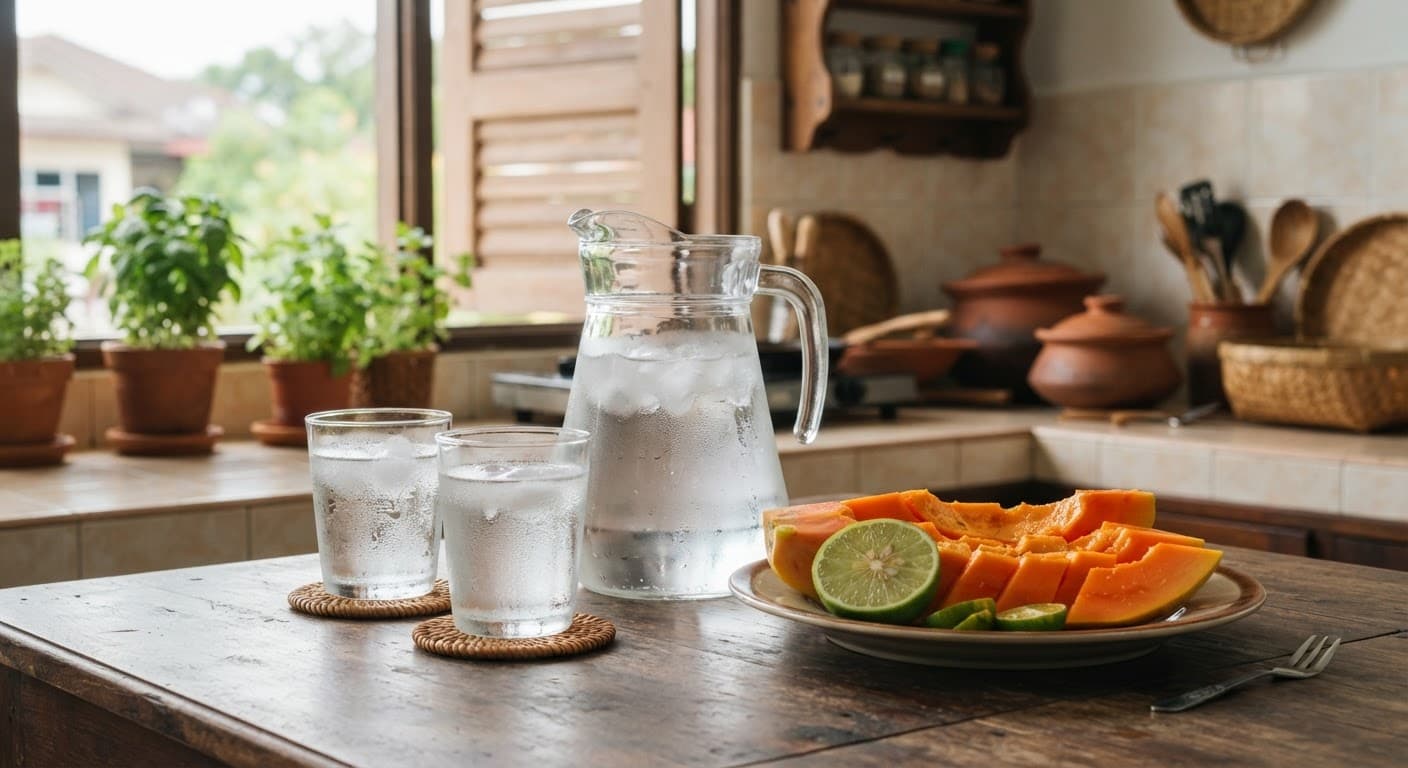
Waiting until you are thirsty is the mistake. By the time the thirst signal fires, you are already behind, and after 40 that signal is fainter anyway. What works for me is drinking on a schedule through the day rather than when I feel dry, and keeping a bottle where I can see it. Plain water is the base. If I am sweating heavily or working hard, I add an oral rehydration salt or a drink with electrolytes, because plain water alone can be too thin when I am losing salt too.
- Drink through the day, not only when thirsty — a bottle in sight is the reminder
- More water, not more sweet drinks — the sugar does not help
- Oral rehydration salts on heavy-sweat days, not just plain water
- Less alcohol and less caffeine in a hot stretch, both of which pull fluid the wrong way
- Pale urine is the target; dark urine means drink now
- Work in the cooler hours where you can, and rest in shade at the worst of the afternoon
Small habits for the hot months
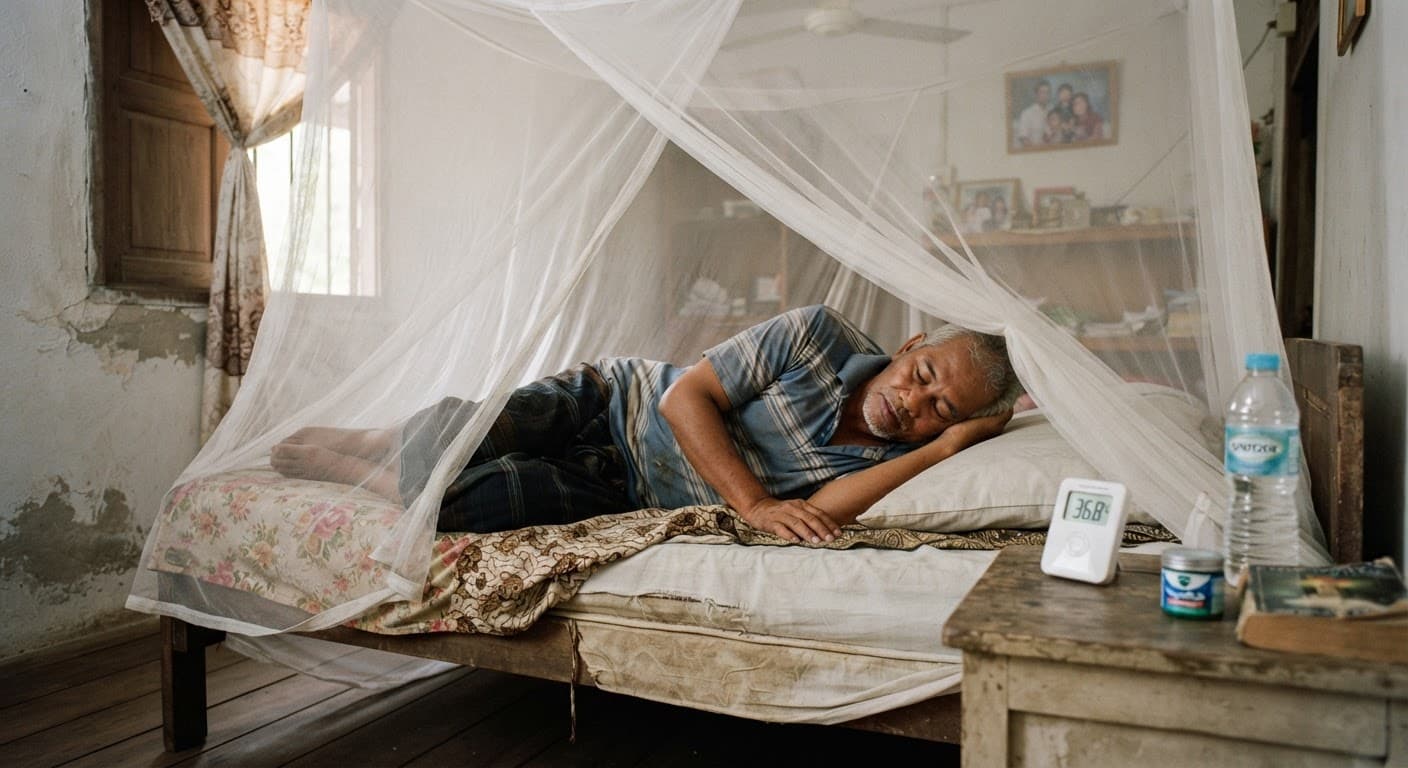
Loose, light clothing in a fabric that breathes beats anything tight. A wide hat and shade make more difference outdoors than people expect. I plan the heavy physical work for early morning and late afternoon, and treat the middle of the day as something to get through rather than push against. In a terrace house or a flat without good air movement, a fan plus an open window in the right direction does a surprising amount, and closing the curtains against direct sun keeps a room cooler in the afternoon.
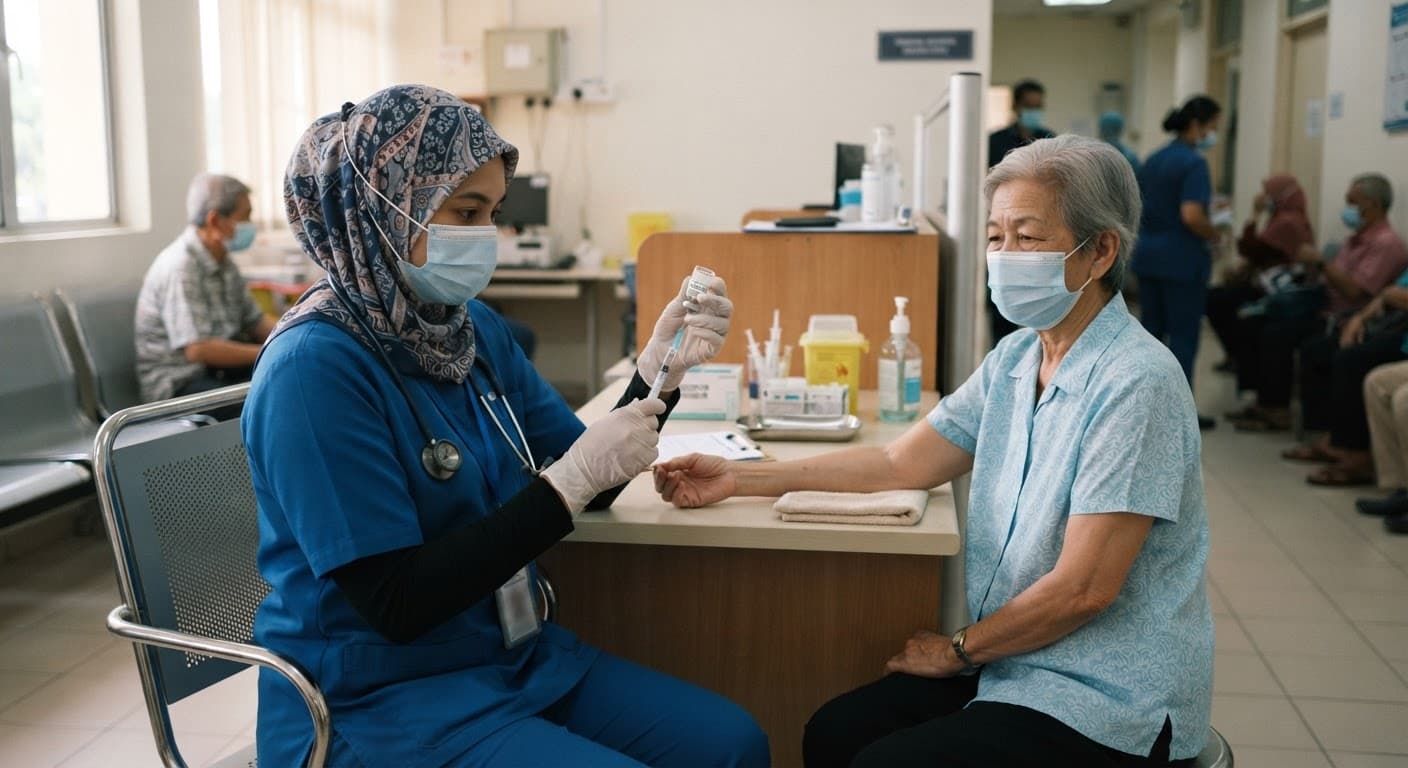
The other thing worth doing is checking your medicines. Some drugs change how the body handles heat or fluid, and that is a question for a doctor or pharmacist rather than a reason to stop anything on your own. I asked at my clinic, and the answer changed how careful I am in the worst of the afternoon sun.
I used to treat the heat as something to push through. Now I treat it as something to plan around, and the day goes better for it.
Read next
- Dengue the second time: what changes after 40
The other tropical hazard that arrives with the rains.
- Falls at home: the bathroom is the danger
Dizziness and heat, and where a fall can happen.
- More in Health
Every prevention, condition and screening piece in one place.
Questions readers ask
- How much water should I drink in a hot climate?
- It varies with your size, activity and health, so a single figure does not fit everyone. The practical guide is to drink steadily through the day, aim for pale urine rather than dark, and add electrolytes on days of heavy sweating. People with heart or kidney conditions should ask their doctor for a target that fits them.
- Do my medicines affect how I handle heat?
- Some can, including certain blood pressure, heart and allergy medicines, because they can change sweating or fluid balance. Do not stop anything on your own — ask your doctor or pharmacist whether your medicines change the advice for you in hot weather.