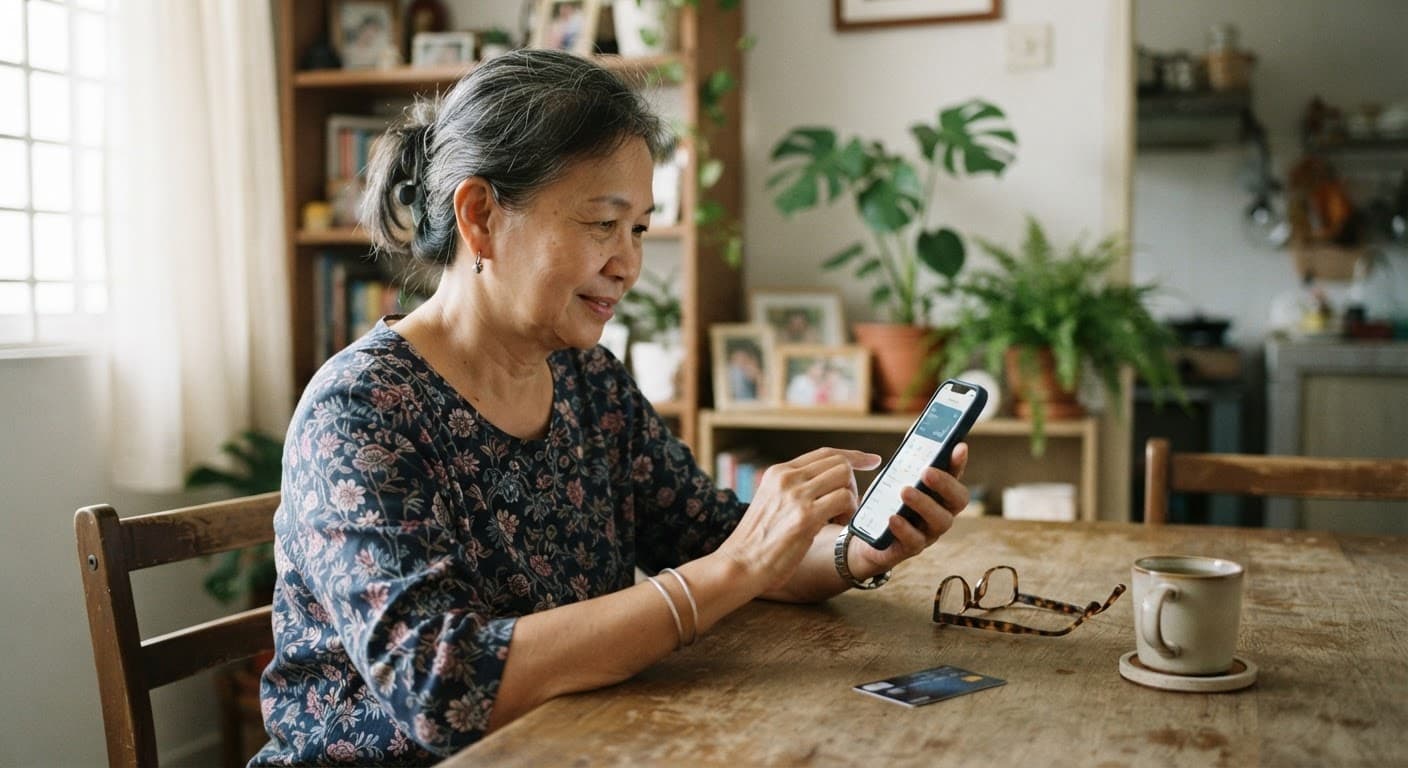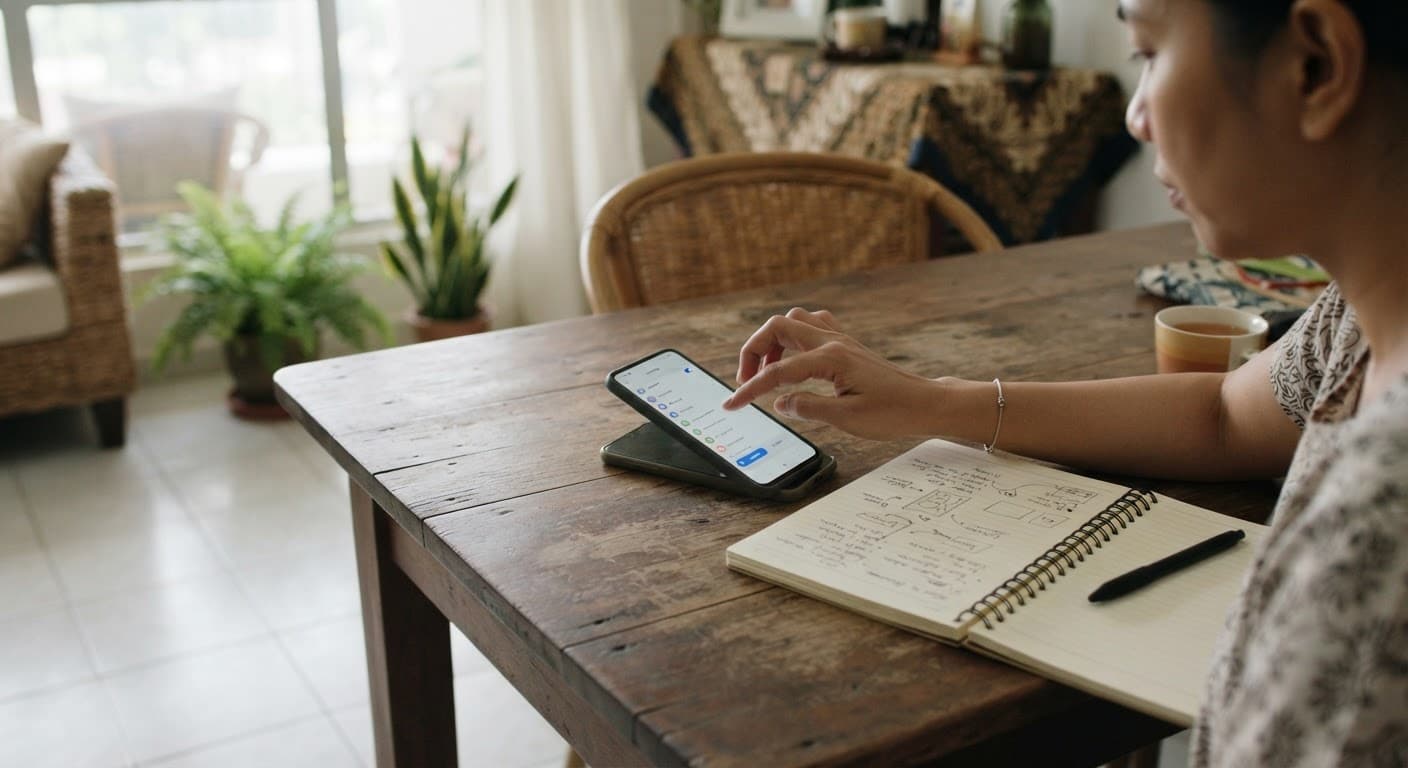
Ask anyone who has had to close a parent's accounts after a death or a stroke: the digital side is the part nobody planned for. A phone locked with an unknown passcode, a bank app nobody can sign into, and a lifetime of accounts that quietly keep charging.
Two approaches, and both work
- A password manager, with one emergency contact set up — most have a built-in option for exactly this
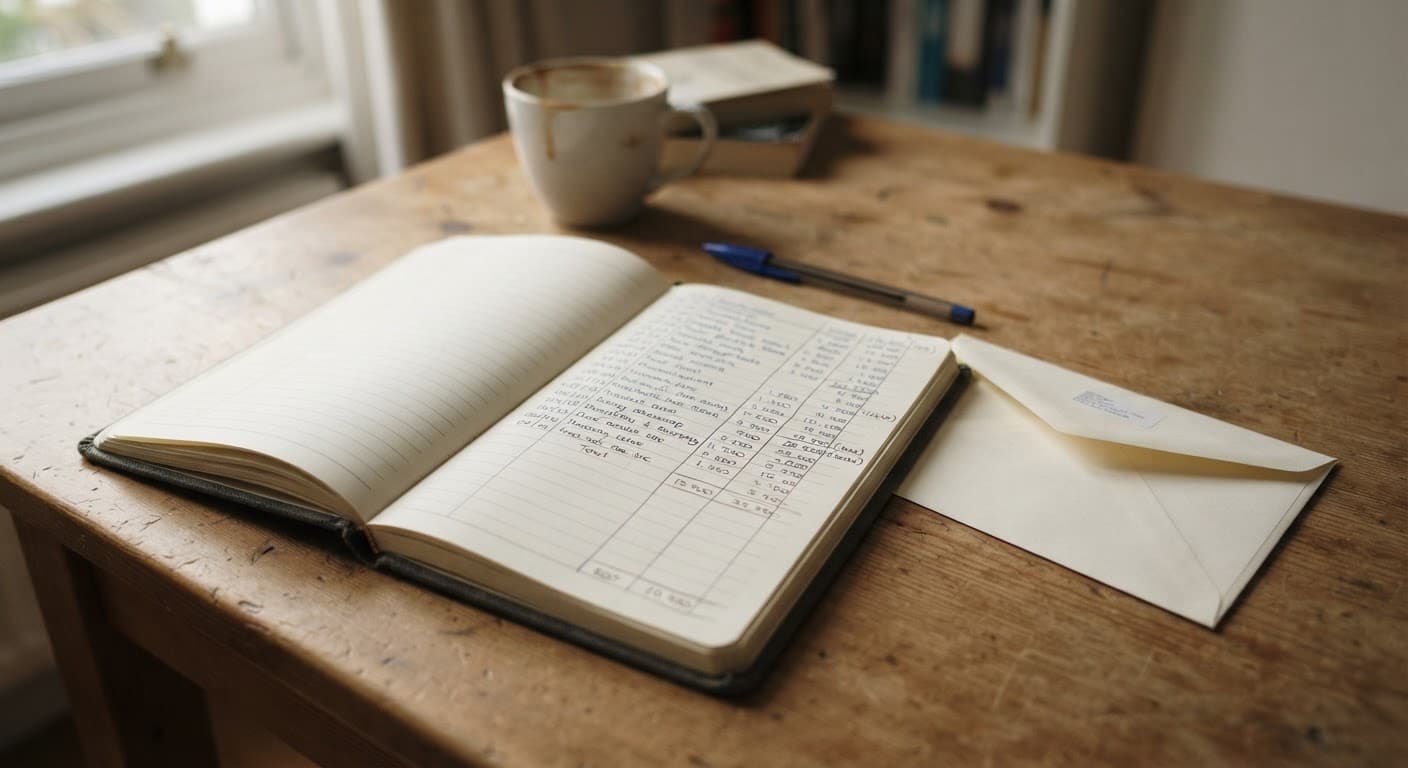
- A written record kept at home, updated twice a year, listing accounts and usernames rather than every password
- A sealed envelope with the login details, given to one trusted person, reviewed annually
The distinction worth holding on to is between access and control. Some banks and both major phone platforms offer a formal process for a trusted person, which is better than sharing a password because it is revocable and it records who did what. Use the formal route where it exists, and a sealed envelope where it does not.
Write down where everything is, not just what the password is. The map matters more than the key.
Questions readers ask
- Is a written password list dangerous?
- Less dangerous than losing access entirely, and less dangerous than reusing one password across everything. Keep the list in the house, not in a wallet or a phone note, and record account names and usernames with the passwords rather than a bare list of words. A burglar is a smaller risk than a locked account in an emergency.
- What happens to social media and email after someone dies?
- Both major platforms have a process for reporting a death, and it usually requires a death certificate and proof of relationship. It is worth knowing now whether the account holds anything the family needs, like photo backups or contacts, because erasing an account is easy and recovering it is not. Record which accounts matter and where the recovery email goes.
Read next
- Powers of attorney and joint accounts before capacity is lost
What a power of attorney covers, and what it does not.
- More in Tech and Independence
Devices, scams and staying in your own home safely.