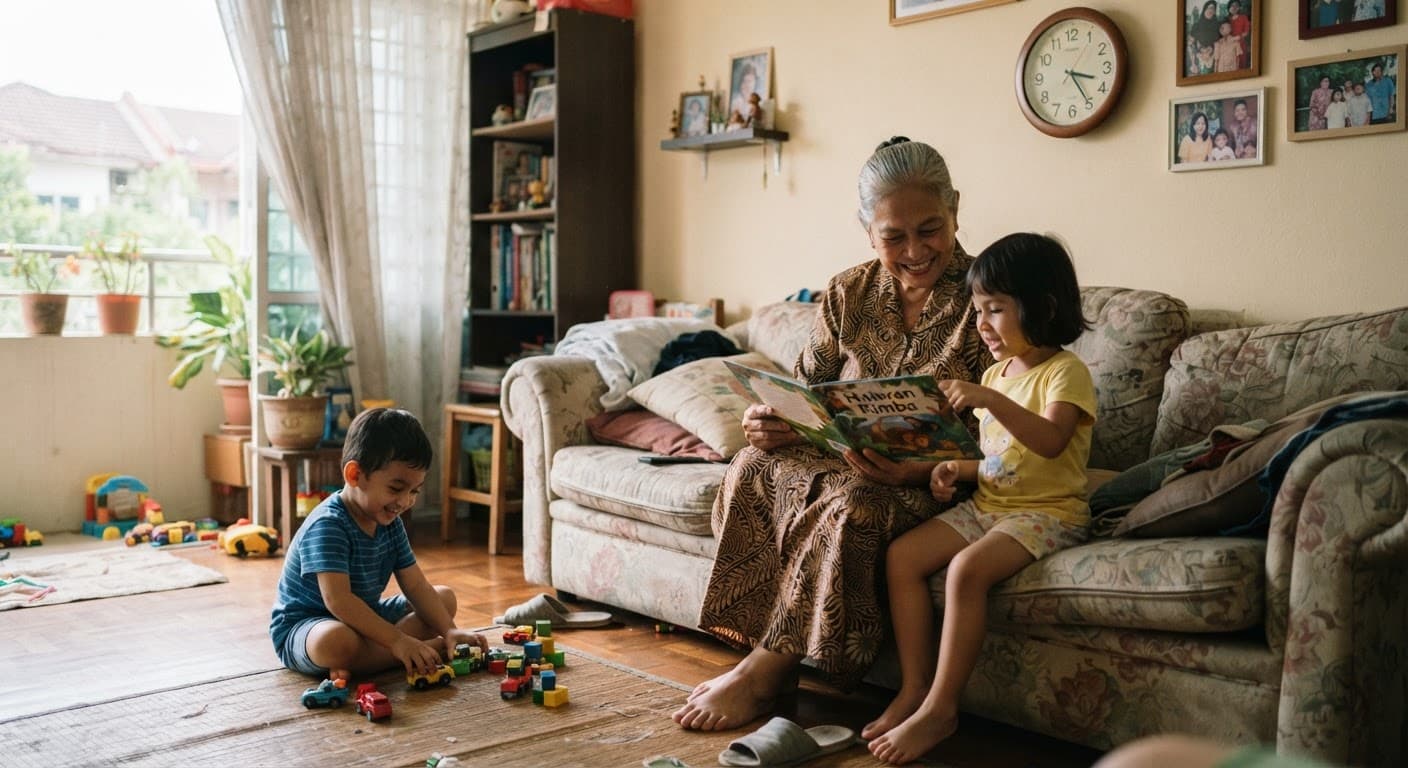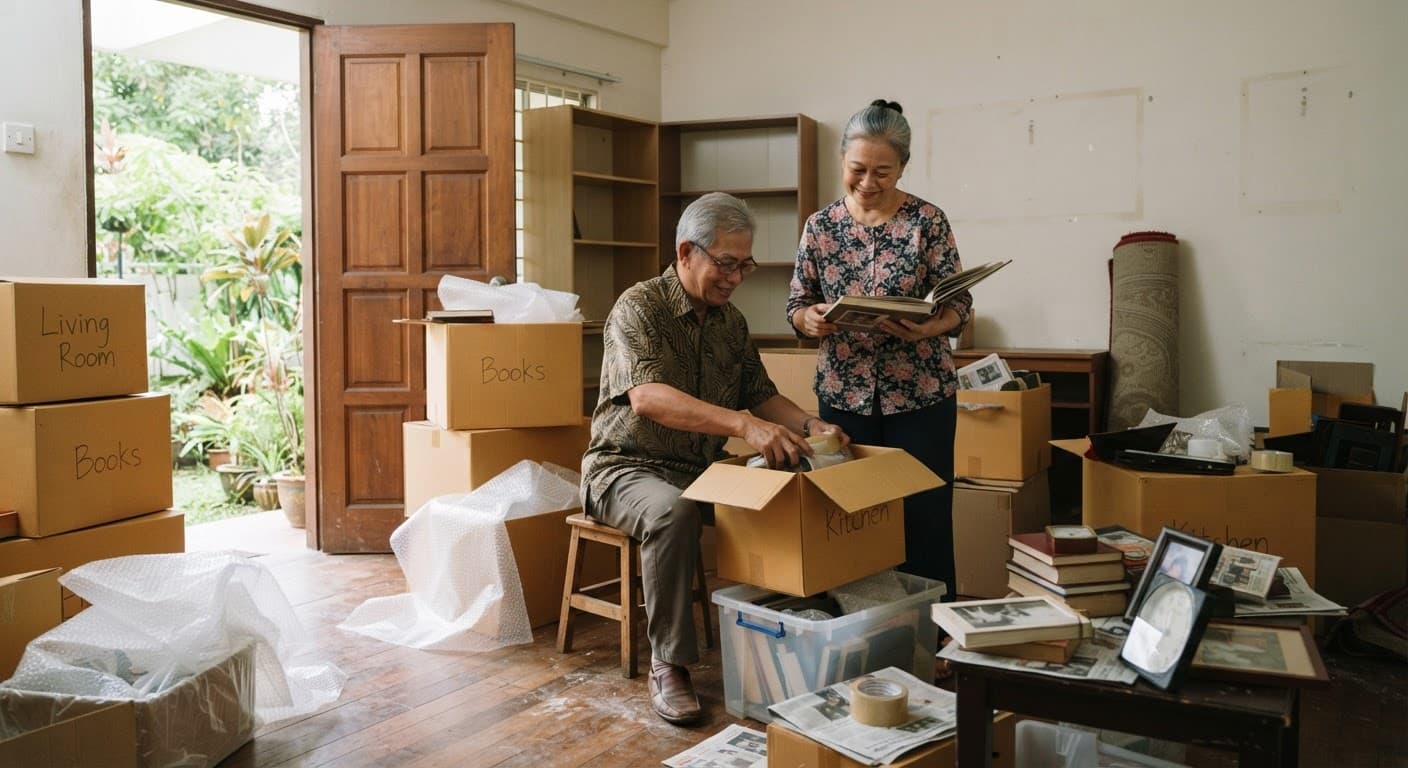
The house is not the hard part. The hard part is that every cupboard contains a decision about a person, and there are several thousand of those decisions in a house lived in for forty years.
Start with the thing nobody wants to say
Most children want far less than their parents assume. The furniture, the china and the thirty years of paperwork are usually not wanted; the photographs, a handful of objects and one or two pieces of furniture are. Saying that out loud early prevents both the argument and the guilt.
Give the objects a destination
The reason sorting stalls is that most items have no obvious home. A rule helps: everything goes into keep, give, sell or throw, and 'give' means a named person who has agreed to take it. Items that sit in a maybe pile for six months are the ones that end up in a skip after the funeral, which is exactly what the whole exercise was meant to avoid.
You are not throwing away the memories. You are deciding which objects have to carry them.
Questions readers ask
- How do I involve my children without it becoming a fight?
- Give each of them a specific, bounded job — one table each, or the photo albums — rather than an open invitation to take what they want. Bounded tasks produce decisions; open invitations produce politeness followed by resentment. For anything genuinely contested, write it down now, because a list made while the parent is alive is worth more than any settlement later.
- Should I move before or after sorting?
- Sort first if you have the time, because you cannot judge what fits in a smaller place until you know what is actually coming. If you must move first, take the irreplaceable things and one bed, and give yourself twelve months in the new place before deciding on the rest. A short-term storage unit costs less than a hasty decision.
Read next
- Retiring outside the Klang Valley: the real cost difference
What smaller towns actually save, and what they do not.
- More in Lifestyle
Purpose, friendship and the decade after retirement.