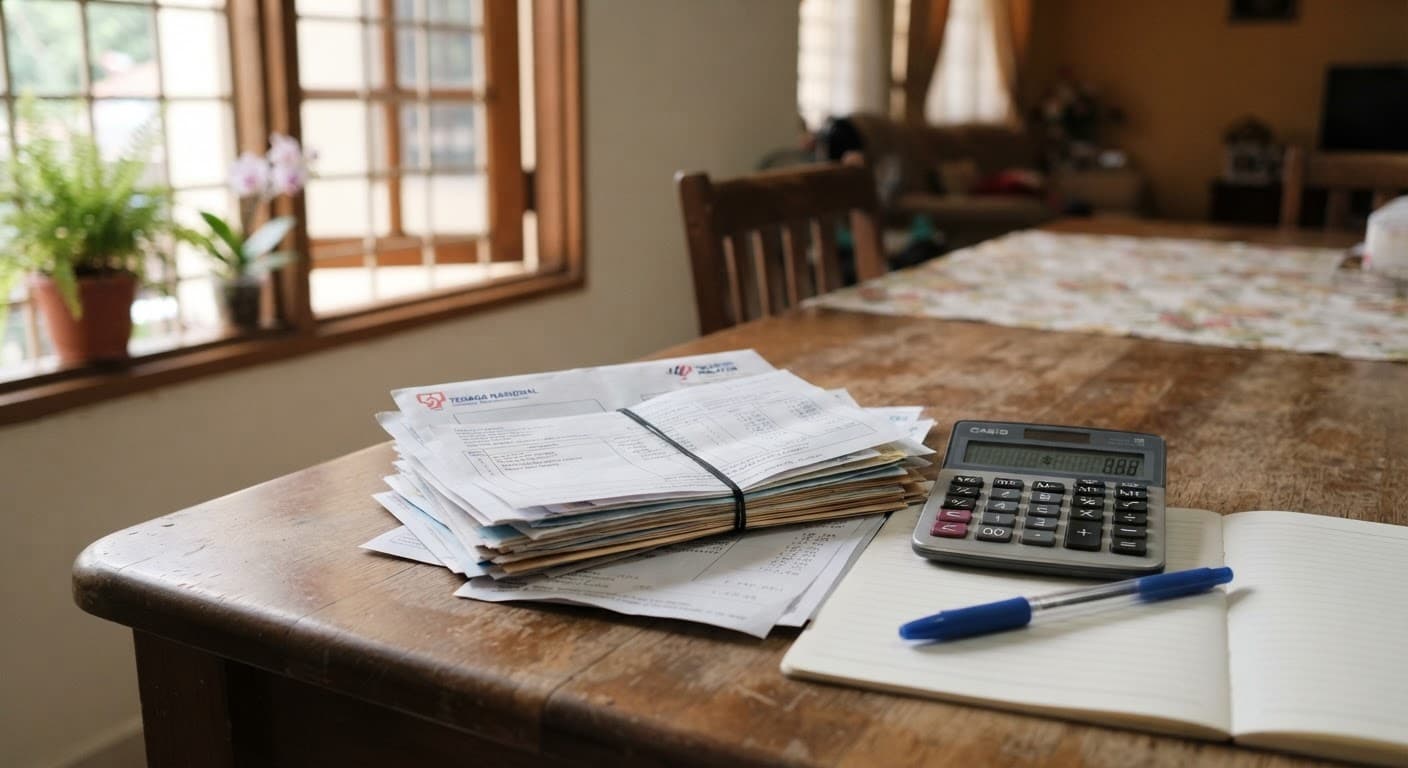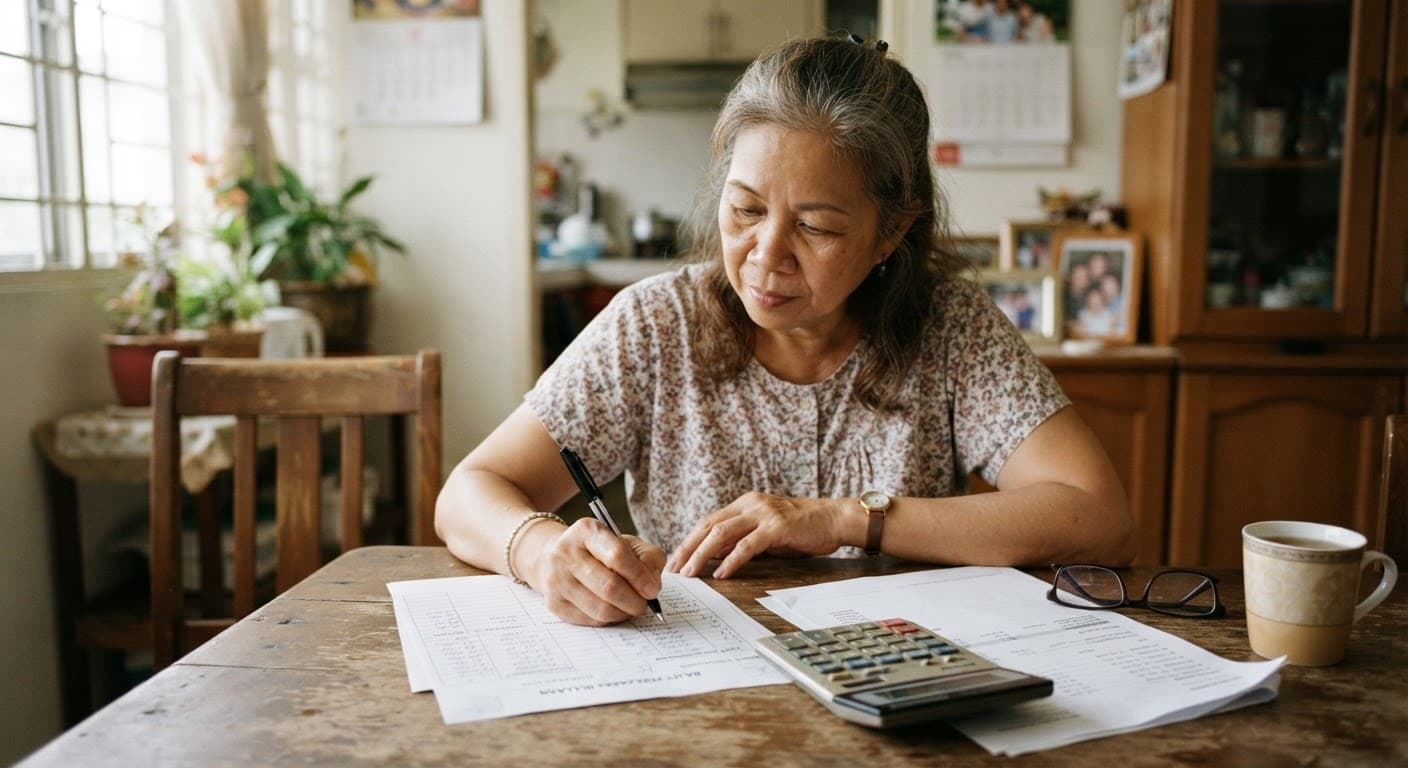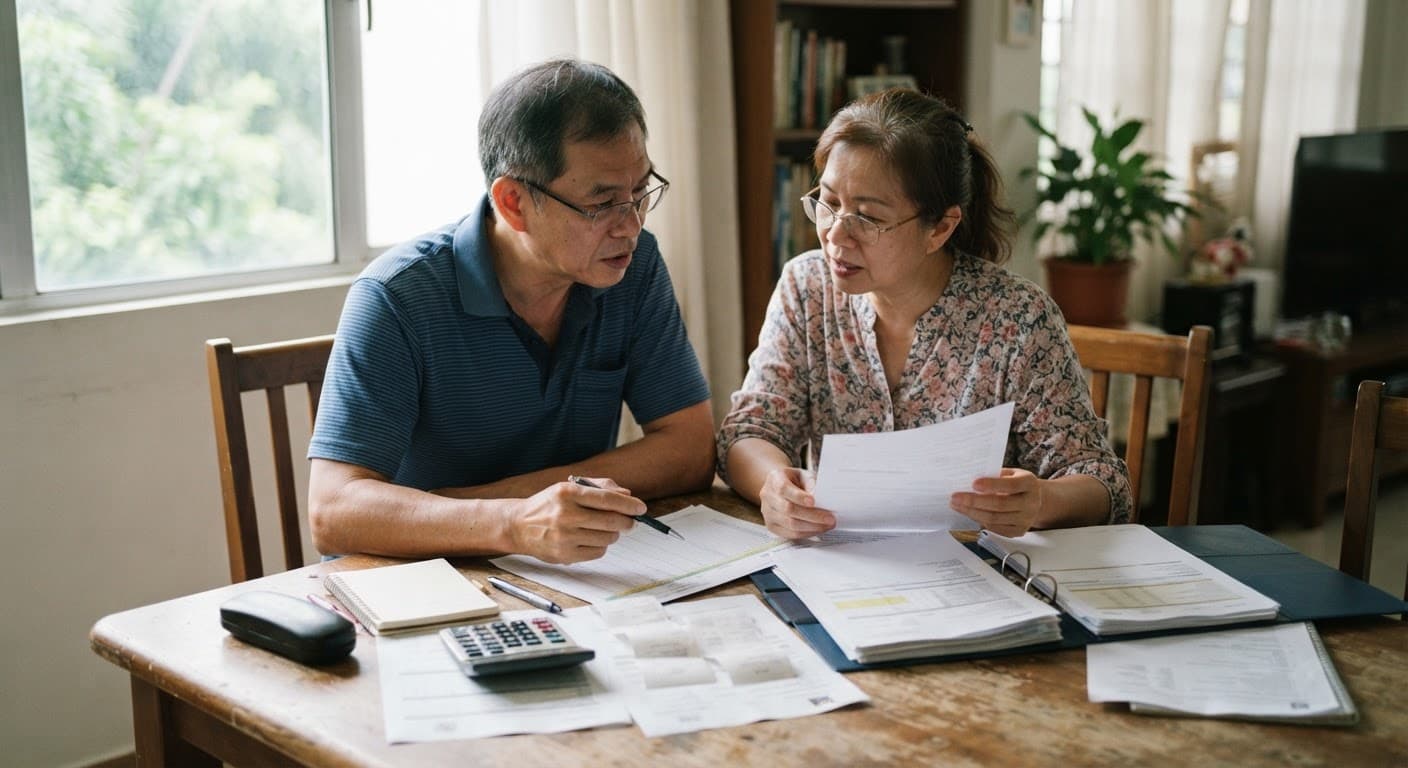
When a stroke, a cancer diagnosis or a serious fall lands in a household, the conversation jumps immediately to the hospital bill and the insurance claim. Those are real, but they are rarely the largest cost. The costs that hurt most arrive afterwards, spread over months, and almost none of them are covered by a medical card.
The costs that follow the hospital
| Cost | Typical pattern |
|---|---|
| Lost income | A working spouse or adult child reduces hours or stops work entirely |
| Transport | Repeated hospital trips, ambulance, parking, and a driver each time |
| Home changes | Grab bars, a hospital bed, a shower chair, ramps, a wider doorway |
| Paid care at home | RM25 – RM45 an hour once the family cannot cover the day alone |
| Consumables | Dressings, diapers, supplements, special diets |
| Rehabilitation | Physiotherapy and occupational therapy, often weekly for months |
The income shock is the part nobody models
A medical card pays the hospital. It does not pay the daughter who takes three months of unpaid leave, and it does not pay the husband who cuts his hours to drive to appointments. For many households the drop in income during a serious illness is larger than the medical bill, and it lasts longer. Put a figure on it before the crisis, because during it nobody has the time.
Plan for the recovery, not just the crisis
The first month after a serious illness is managed by adrenaline and family. The sixth month is where plans fail, because the initial help has gone home and the costs have not. Budget for the recovery period explicitly — the home changes, the transport, the reduced hours — and decide in advance who pays for what, before fatigue makes the decision for you.
The hospital is a month. The recovery is a year. Budget for the year.
Questions readers ask
- Does a medical card cover home care after discharge?
- Usually not. Most medical cards cover treatment in a hospital or clinic, not paid care at home, transport or home modifications. Check the policy schedule for a home-care or post-discharge benefit, but assume you are funding these yourselves unless it is written down explicitly.
- What can we do up to six months in advance?
- Three things help most. Confirm the medical card's limits and exclusions in writing, so there is no surprise during a stay. Put aside a small fund for transport and consumables. And agree in the family, while everyone is well, who can step back from work and for how long, because that conversation is far harder to hold in the middle of a crisis.
Read next
- The real monthly cost of care in Malaysia, by state
If recovery turns into long-term paid care.
- Supporting your parents and your children at once
When the illness lands on the sandwich generation.
- More in Money
Retirement income, care costs and the legal side for the decade after 55.