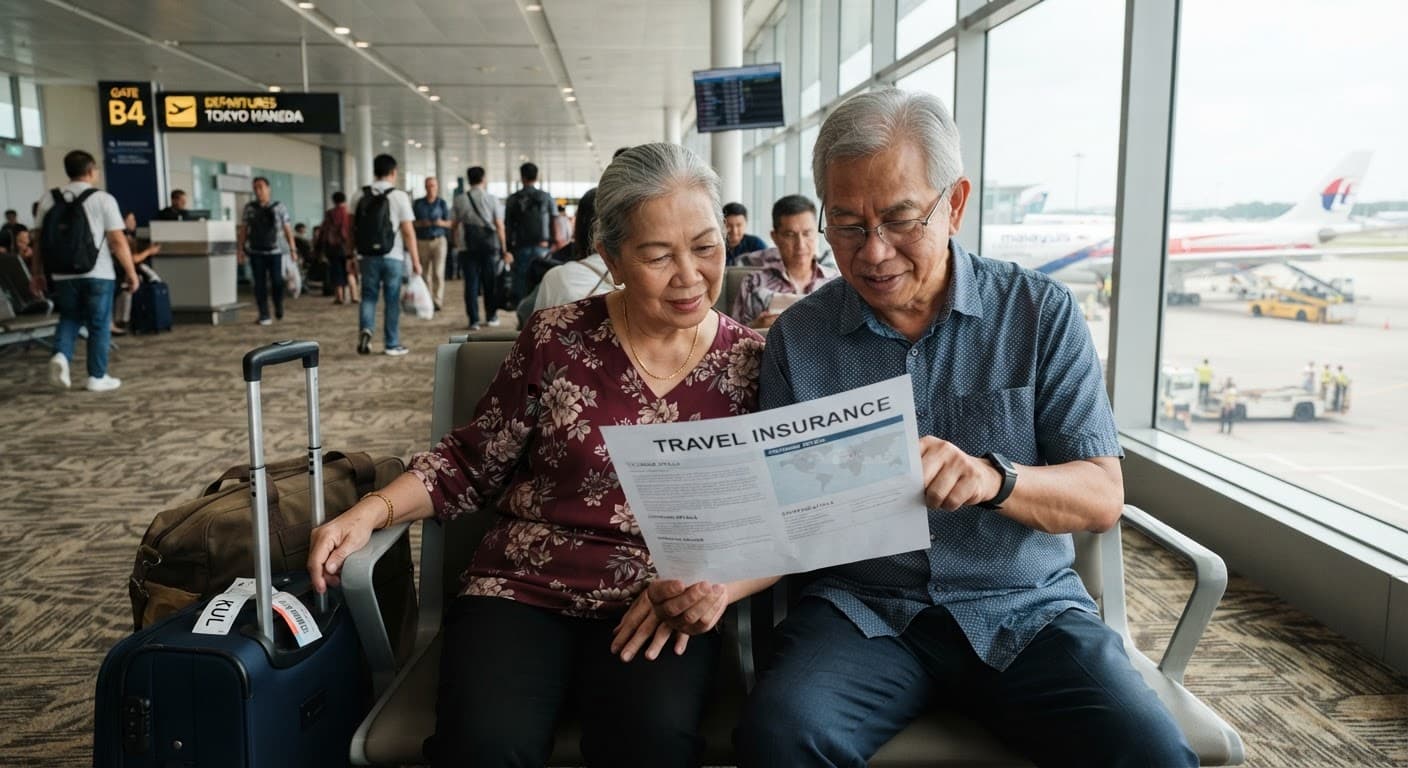
The cheap travel policy and the useful travel policy look identical until a claim. What separates them is three or four lines of small print that are worth reading before you pay rather than after you fall ill abroad.
The three clauses that matter
- Age limit — many policies stop at 70 or reduce the payout past a certain age, and the reduction is often buried
- Pre-existing conditions — usually excluded unless declared and accepted, so declare everything and get the acceptance in writing
- Medical evacuation — check the limit, and whether it repatriates you home or only to the nearest hospital
What to do when you buy
Declare every diagnosis, every medication and every pending investigation on the application form, and keep the form. Photograph the policy, the emergency number and the assistance line before you travel, and store them offline in your phone. Then call the assistance line before any treatment unless it is a genuine emergency, because that call is a condition of cover on most policies.
The premium buys you a phone number as much as a payout. The number is the part people forget they have paid for.
Questions readers ask
- Is a policy that excludes pre-existing conditions worth anything?
- Yes, if the exclusion is only for the conditions listed. The cover still applies to accidents, new illnesses, cancelled flights, lost luggage and a fall abroad — and the evacuation limit is often the most valuable element. Read what is left inside the policy rather than only what has been excluded, since a stripped-back policy is still usually better than none.
- Can I buy insurance that covers my heart condition?
- Sometimes, and it costs more. Some insurers offer a declaration and acceptance process where a disclosed condition is covered for an additional premium or with a specific exclusion on that condition alone. Ask directly whether the policy can be endorsed for your condition, and get the endorsement in the schedule rather than a reassurance over the phone.
Read next
- Carrying medication across borders: what to declare and what to leave at home
Original packaging, a doctor's letter, and the medicines needing approval.
- More in Travel
Trips that work with knees, hips and medication schedules.