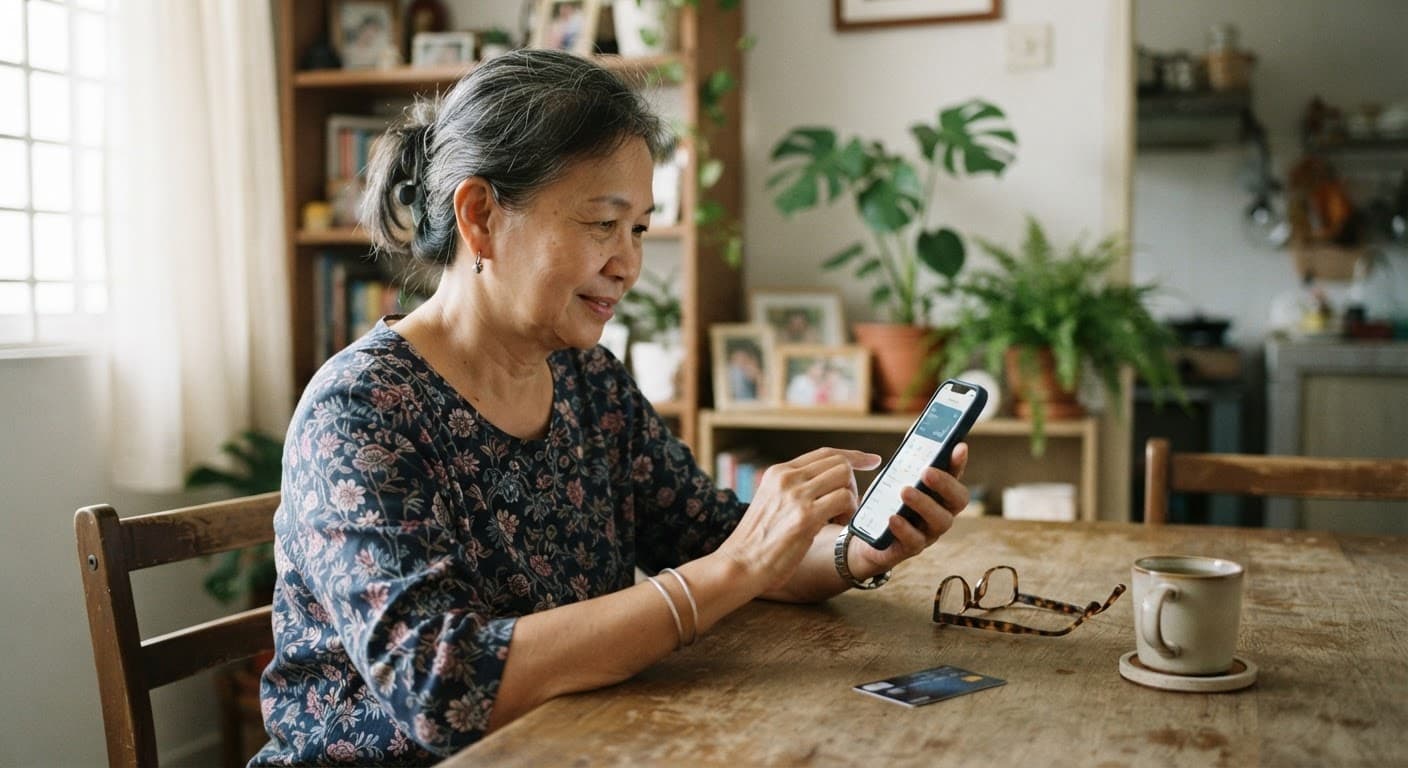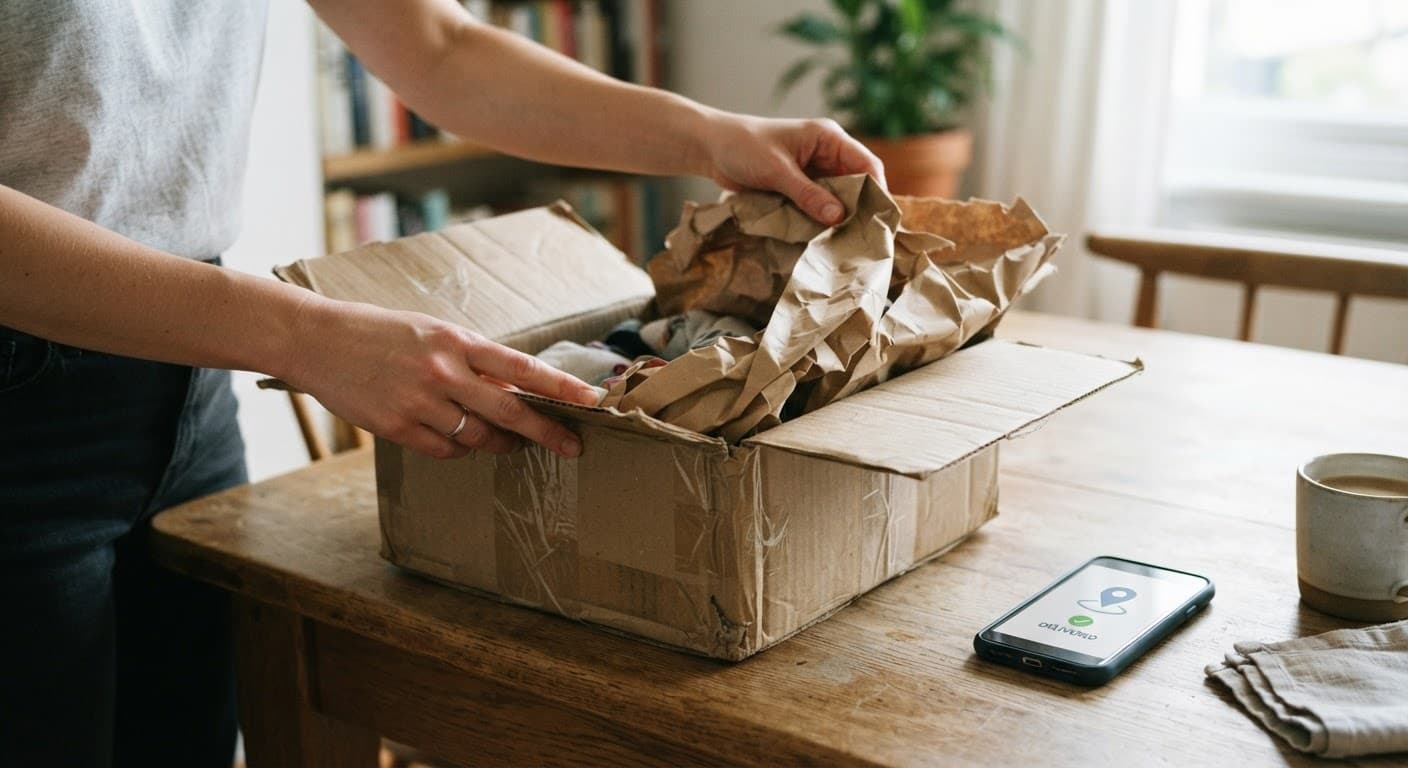
Online shopping is one of the genuinely good things about being online in later life — the things that are hard to find in a shop are almost always available, and delivered. The risks are narrow and specific, and they are avoidable without much caution.
The tells of a fake shop
- Prices far below everywhere else, on an item that is popular and often out of stock
- A page with no address, no company registration and no working phone number
- Only transfer or e-wallet payment accepted, with no card option offered
- Reviews that are all five stars and all written in the same week
- An advert on social media with a countdown that resets when you reload the page
If something goes wrong, the sequence is: raise it with the seller in writing, then escalate to the platform, then the bank if you paid by card. Transfers and e-wallet payments are much harder to reverse, which is the whole reason to prefer the card for anything you are unsure about.
If the only way to pay is a transfer, the platform is telling you something before you have paid.
Questions readers ask
- Can I get my money back if the item never arrives?
- With a credit card, often yes, through a chargeback process — raise it with the bank within the stated window and keep the correspondence with the seller. With a direct transfer or an e-wallet, recovery depends on the platform and is far less certain. This is the practical reason to pay by card for anything expensive.
- Is it safe to save my card on a shopping app?
- On a large, established platform, it is broadly as safe as the platform is, and the convenience is real. On an unfamiliar site, do not — enter the card each time. Either way, use a card with a low limit for online shopping and check the statement monthly, which catches a problem long before a fraudulent charge grows.
Read next
- Investment scams that target over-50s
The pitches, the warning signs, and how to report them.
- More in Tech and Independence
Devices, scams and staying in your own home safely.