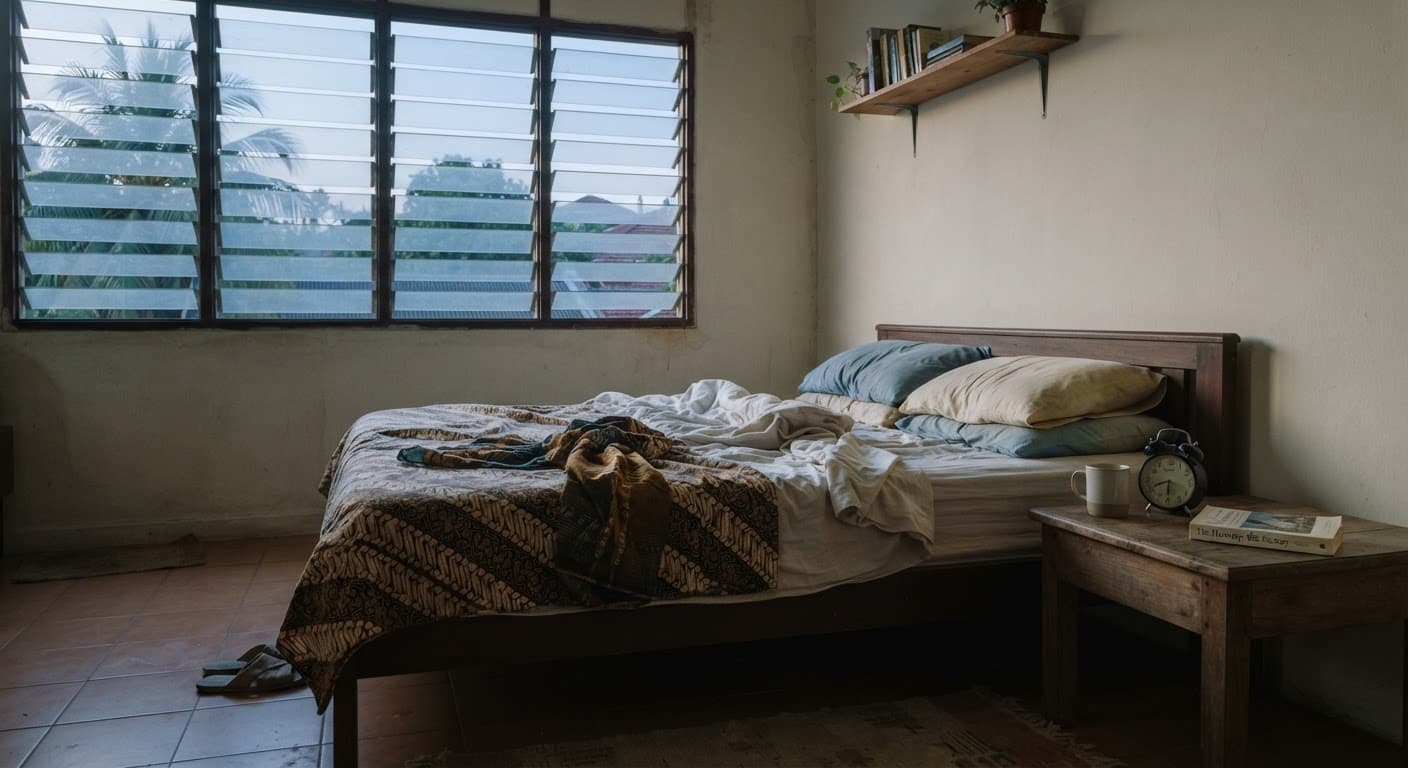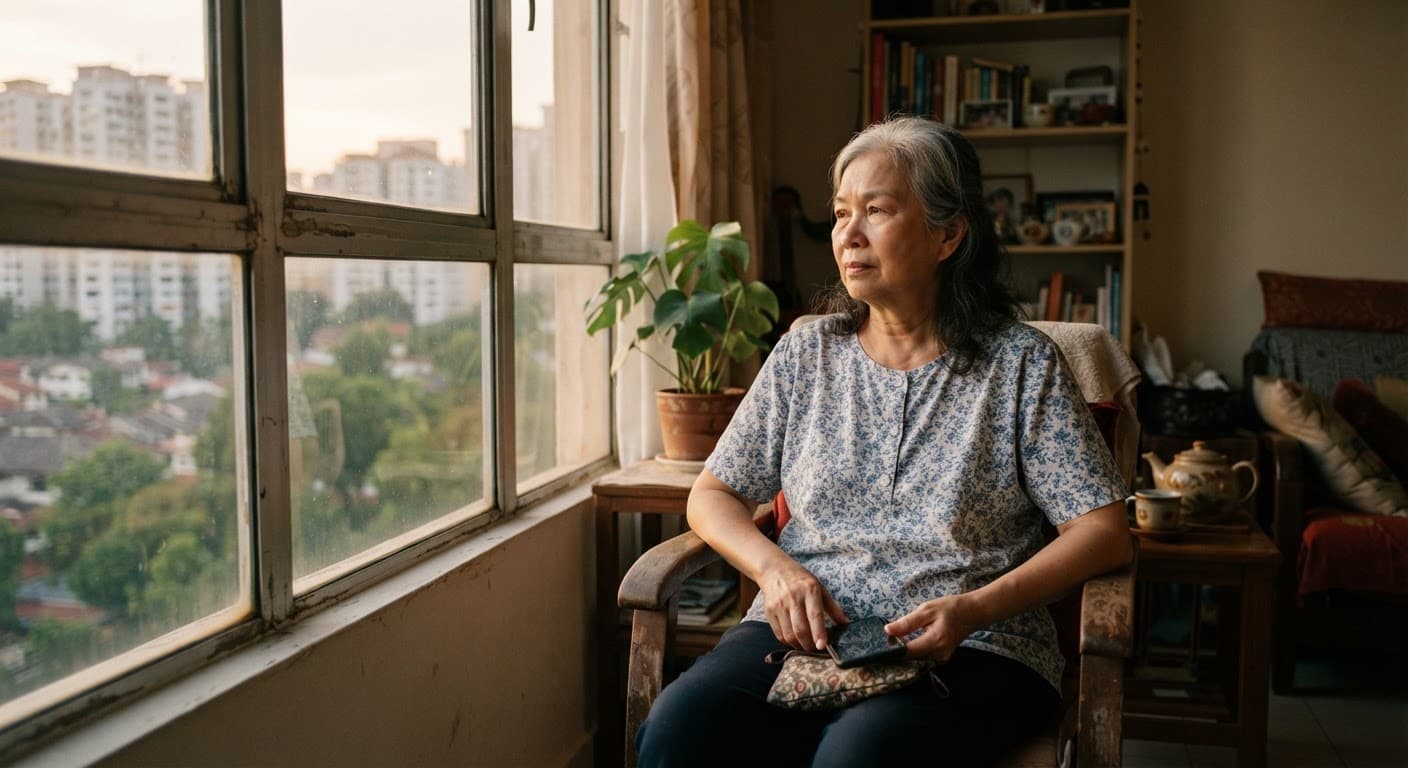
Ask a group of Malaysian readers over 60 what changed most in the decade after retirement and very few say money. They say the number of people they speak to in a day, and how sharply that number fell.
Retirement removes the colleagues. A bereavement removes the daily companion. Children move to Singapore, or to a different part of the same city with a schedule that never quite matches. None of these are dramatic. Together they produce an isolation so ordinary that people assume it is their own fault.
Why 'join a club' does not work
The advice lonely people receive most often assumes the problem is availability. It is usually not. It is the specific, repeated contact that turns an acquaintance into a friend, and that requires structure rather than goodwill.
Friendship in later life is built by repetition, not by invitation. The same people, at the same time, doing something small — that is the whole mechanism.
When it is more than loneliness
Persistent loss of interest, disturbed sleep, appetite change and a flatness that lasts more than two weeks is depression, not a mood, and it responds to treatment. Malaysian readers tell us they are reluctant to raise it with a doctor because they fear being told to be grateful. A GP will not say that. Grief and depression are different things and both can be treated.
Questions readers ask
- How do I raise this with someone who insists they are fine?
- Do not open with the word lonely — most people hear that as an accusation. Ask instead what their week looks like, and listen for the answer. Someone with an empty calendar usually knows it, and naming the specific gap gives you something to act on together rather than a verdict to defend against.
- What if they refuse every suggestion I make?
- Offer a fixed commitment you will keep yourself rather than a general invitation — a weekly market trip, a standing lunch. Refusal is easier when the alternative is an open-ended club. And if the reluctance comes with withdrawal from things they used to enjoy, that is worth a GP appointment rather than another suggestion from family.
Read next
- Learning something hard on purpose at 62
Why a difficult new skill restores more than a pleasant one.
- More in Lifestyle
Purpose, friendship and the decade after retirement.